Articles and information about Splash and the work we do.
October 5, 2026
The Missing Piece in the Global Water Crisis: Urban Public Schools


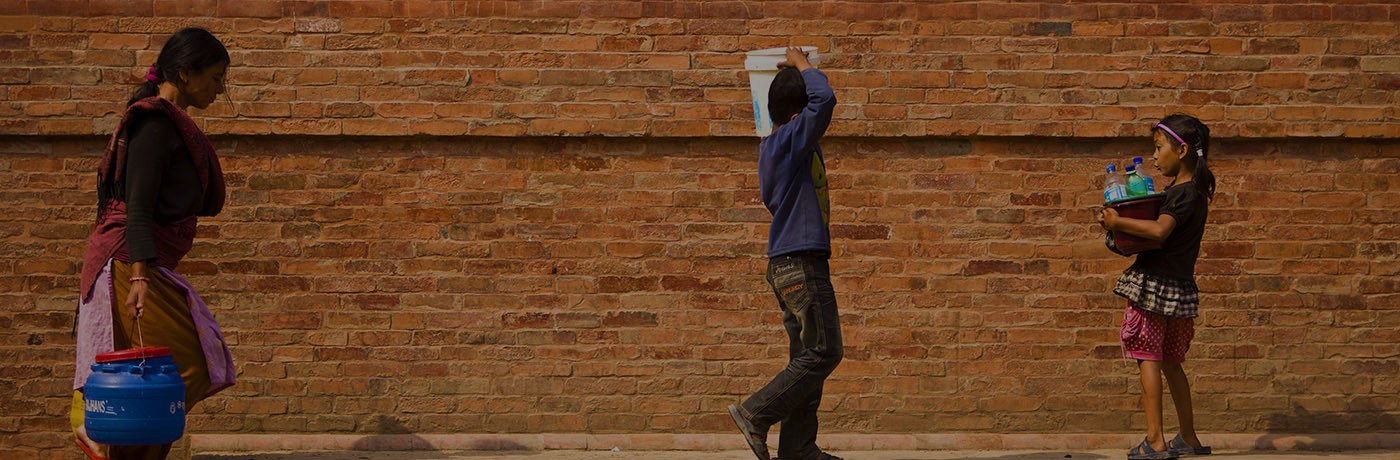
Ask most people to picture the global water crisis and you get a consistent image: a rural village, a long walk, a hand pump, a jerrican.
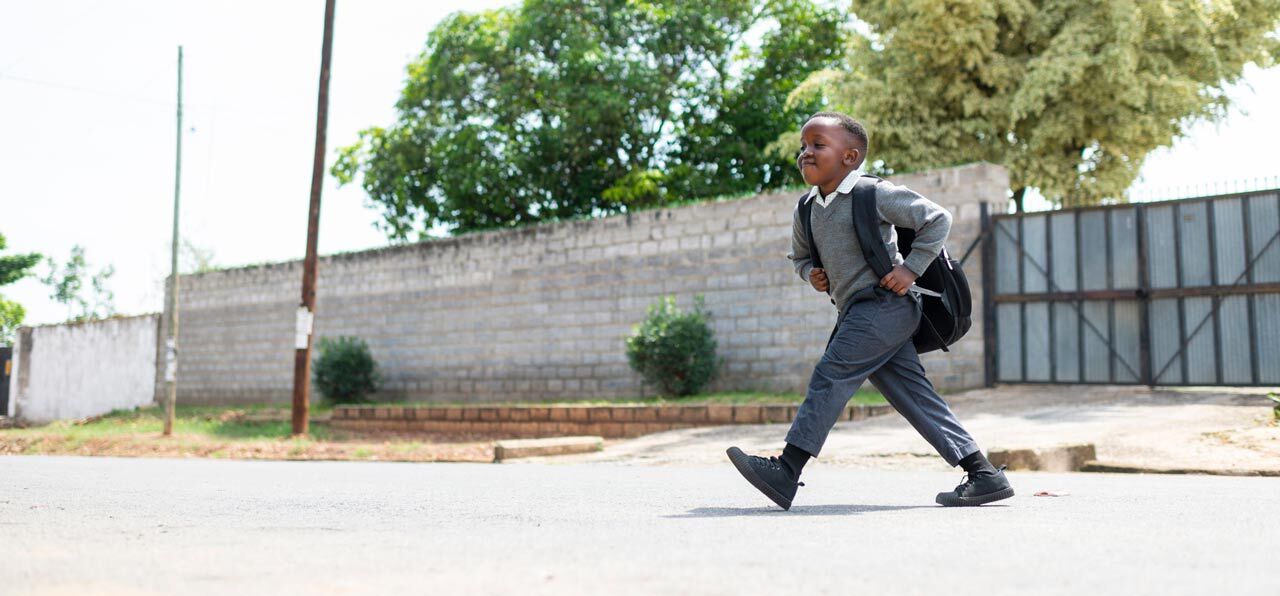
That image is real but incomplete. In cities, children can spend much of the day in a public school without reliable drinking water, soap, or a usable toilet. The water available at home, if there is any, does not tell us what is available at school.
Zambia shows why this part of the crisis deserves more attention. The country has made a major commitment to bringing children into public education. Now the facilities those children use every day must keep pace.
More children in school changes what schools need
Zambia removed school fees across public early childhood, primary, and secondary education beginning in 2022. In 2026, an amendment to the Education Act made free education a legal right for eligible children.
The expansion is substantial. UNICEF's 2025 education budget brief, drawing on Ministry of Education figures, reports that enrollment grew from 5 million learners in 2021 to 6.5 million by the end of 2024. That is 1.5 million more children in the education system in three years.
This is progress worth protecting. It also changes the daily demands on schools. More students need places to drink water, wash their hands, and use a toilet. More use means more cleaning, more supplies, and more wear on equipment. A school designed for a smaller student population cannot meet those demands.
The gap was already visible. UNICEF estimates that 21% of schools in Zambia lacked basic water access and 17% lacked basic sanitation, based on data retrieved in 2023-2024. These are national figures, not estimates for urban schools alone. In the cities where Splash works, the pressure is concrete: some schools in Kitwe have reported as many as 213 students sharing one toilet.
The school day is its own water challenge
Household water access and stronger city utilities are essential, but a school has requirements of its own: access to clean water to drink, usable toilets, soap for handwashing, and sanitary facilities that help girls manage their menstruation at school.
These needs are connected. A new handwashing station does little if it has no soap or runs dry. A toilet cannot serve students well without water where needed, cleaning supplies, privacy, and a plan for repairs. The WHO/UNICEF Joint Monitoring Programme counted 429 million children worldwide without a basic drinking water service at school in 2025. The number reflects schools in rural and urban areas. It is a reminder that the school day must be considered alongside household access when we talk about the water crisis.
Why reach a whole city?
Improving one school matters immediately to its students. Yet a city with hundreds of public schools needs a way to address the full system. If some schools receive reliable services while others do not, children in the same city can have very different school days.
Splash's Project WISE, or WASH in Schools for Everyone, is designed around citywide coverage. In Zambia, Splash is working with government, BORDA Zambia, and other local partners to bring safe water, sanitation, hygiene, and menstrual health services in all 407 public schools across Chipata, Kitwe, Lusaka, and Ndola, reaching more than 700,000 students.
Coverage is only part of the work. Splash and its partners plan for durable facilities, healthy routines, maintenance, financing, and local responsibility from the start. Looking across an entire school system helps partners see which schools still need support, apply shared standards, and plan for services that continue after installation.
Zambia has taken a consequential step by making public education accessible to more children. To deliver on that promise, the water and sanitation systems inside schools must be ready for the students who arrive each day. Rural water sources, household taps, and urban utilities all belong in the global water conversation. Urban public schools do, too.
Learn more about Project WISE.