Articles and information about Splash and the work we do.
January 20, 2026
Turning Knowledge into Confidence


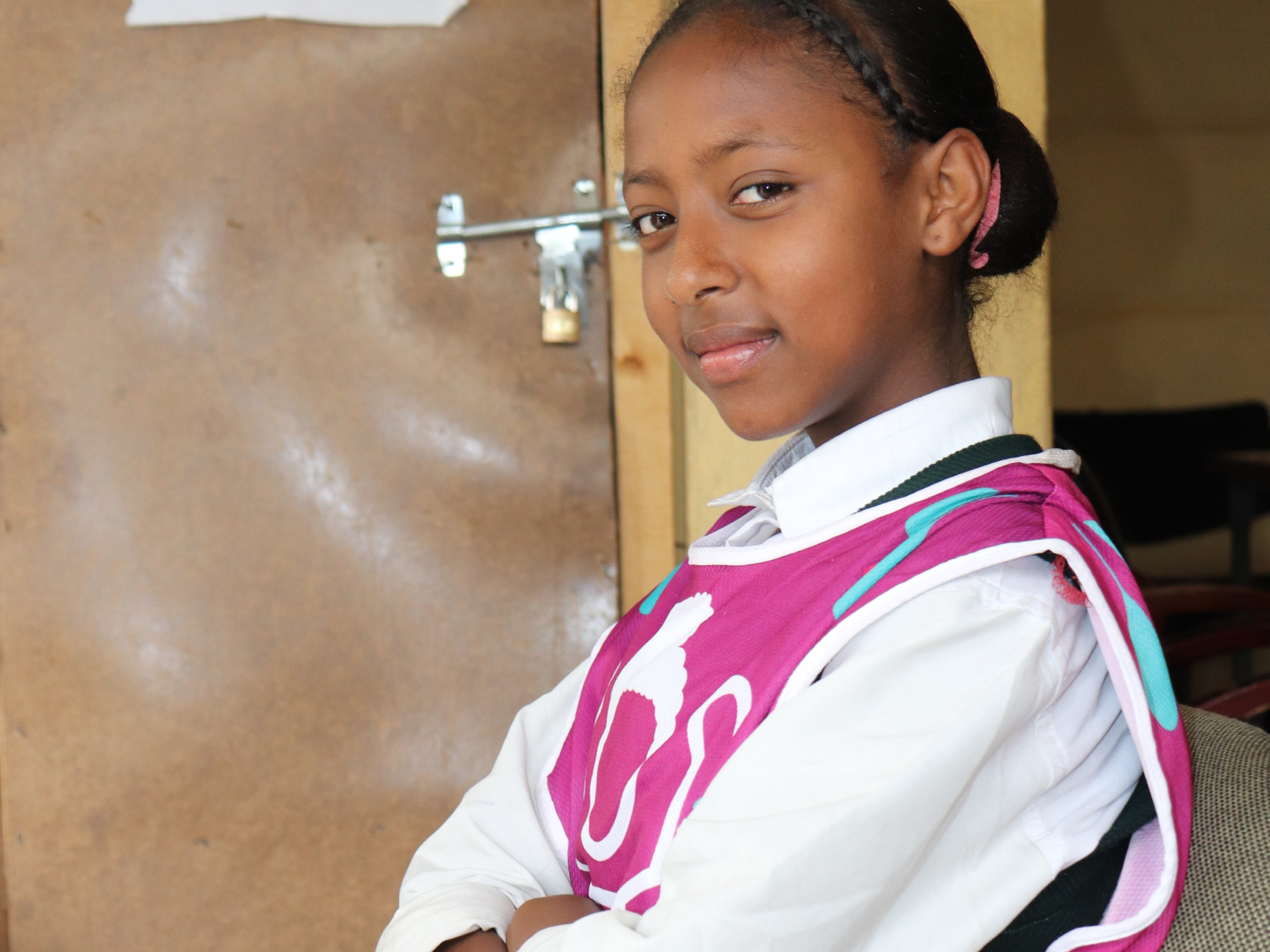
At 14, Mariyamawit is turning what she’s learned into confidence – for herself and other girls at her school.
Mariyamawit is in Grade 8 and already thinking about her future. She loves math, dreams of becoming a professional accountant, and wants to change her family’s life for the better.
She’s also a leader in her school’s Gender Club, a group of students who volunteer as student leaders for additional puberty and menstruation education. Our curriculum is unique because it’s developed in collaboration between local teachers and the Splash Ethiopia team to ensure the information is delivered in culturally and age-appropriate ways. Student leaders share what they’ve learned with the rest of their schoolmates through a variety of peer-to-peer outreach techniques.
Before Splash’s work at her school, basic needs weren’t guaranteed. Drinking water came from a shared reservoir, and many students regularly experienced stomach pain, vomiting, and diarrhea. With only two taps available, handwashing was difficult, and information about puberty and menstruation was limited.
“I wasn’t informed about menstruation before,” Mariyamawit shared. “After the training, I learned that it is natural, nothing to be ashamed of, and how to manage hygiene.”
Through Splash’s curriculum, Mariyamawit gained knowledge, and then chose to share it.
As a Gender Club facilitator, she helps lead peer education sessions. Twice a week, she and other club members support girls who have questions, need menstrual supplies, or simply want reassurance. They also use mini-media and informal conversations to reach students beyond the club.
“I am proud of helping and supporting other female students,” she said.
That pride matters. For many girls, feeling informed and supported can be the difference between staying engaged in school or falling behind – even dropping out.
Mariyamawit also brings what she learns home. She now takes responsibility for handwashing during family mealtimes, ensuring soap and clean water are available and explaining why it matters.
Clean water, clear information, and trusted peer leaders are changing what’s possible at her school. And students like Mariyamawit are helping make sure those changes last.